Member story
The Outdoors Is for Everyone… But Is It Accessible to Everyone?
By Jodi Jabs · November 13, 2026 · 5 min read
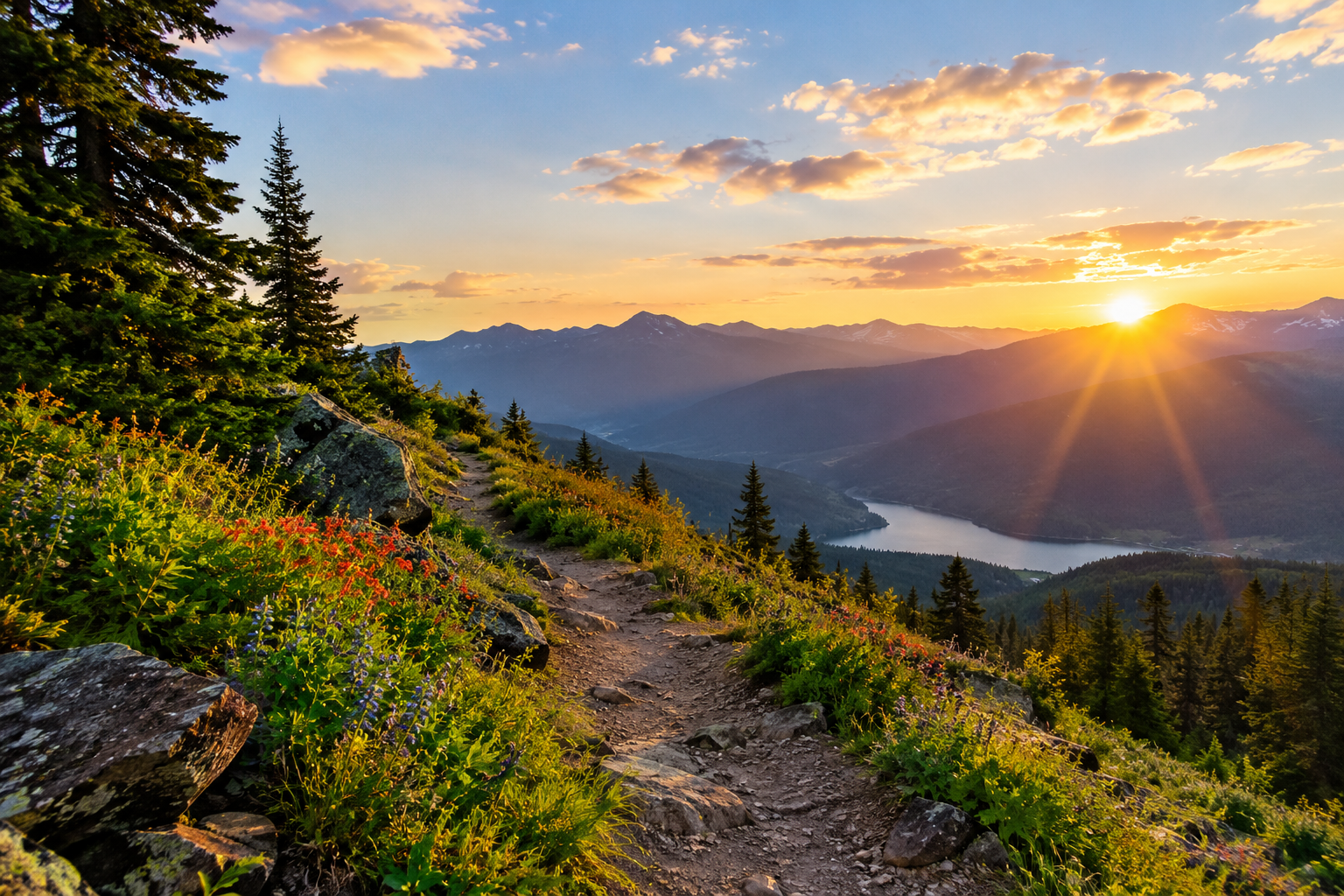
Making room for more people on the trail, one step at a time.
I recently started working at an outdoor retailer, and during training, one message really stuck with me: the outdoors is for everyone. It's a message I love because being outside has brought so much adventure, joy, and community into my life.
But it also got me thinking: If the outdoors is for everyone, what can we do to help make sure everyone has the opportunity to experience it?
Representation in outdoor recreation is not equal, and there are real barriers that can make it harder for some people to participate. I am not part of the BIPOC community, so I won't pretend to understand experiences that aren't mine or speak for people whose perspectives differ from my own. What I can do is listen, learn, support community-led efforts, and think about the ways we can help more people feel welcome outside.
At Girls Gone Hiking, we believe in the power of community. Finding people to hike with can make trying something new less intimidating, whether you're tackling your first trail or planning your next big adventure. We want more women to have that opportunity.
That's one reason we're exploring the idea of a BIPOC-centered Telegram channel: a space centered on BIPOC hikers and open to anyone who wants to support them. We'd love for the people who would use this space to help shape what it becomes. Could it be a place to connect, share experiences, find hiking partners, and explore ideas for future outings? We'd like to listen and find out.
We're also interested in the possibility of hikes and events led by BIPOC women in our community, shaped by what they tell us they want. Rather than assuming we know what would be most helpful, we want to make room for those conversations and let the people involved guide the direction.
Accessibility is about more than representation
Thinking about inclusion has also made me reflect on the barriers that can keep anyone from enjoying the outdoors.
For me, one of the first things that comes to mind is cost.
Have you ever looked at the price of camping gear? A tent, sleeping bag, backpack, sleeping pad, stove, and other essentials can quickly add up. Then there are hiking boots, winter clothing, snowshoes, bikes, and all the other equipment associated with different activities. Even if someone wants to try an outdoor adventure, the initial investment can be enough to stop them before they start.
And equipment is only one piece of the puzzle. Transportation, park fees, time, physical accessibility, unfamiliarity with outdoor spaces, and simply not having someone to go with can all become barriers.
We may not be able to remove every barrier, but we can look for ways to make getting outside a little easier.
What can we do?
Share what we have.
What if we hosted a gear swap? We collect gently used gear from members like hiking clothes, backpacks, trekking poles, camping equipment, and other items they no longer use. Someone else's forgotten gear might be exactly what another person needs to get started.
Make equipment easier to borrow.
Not everyone needs to own a tent to go camping once or twice a year. Could we create a small gear-lending program within our community, collect gently used gear from members, or connect new hikers with affordable rental options? Sharing equipment could help remove one of the biggest financial barriers to trying something new.
Make getting outside less intimidating.
Not every outdoor adventure needs to involve a mountain summit, a long-distance backpacking trip, or an expensive weekend away. A neighborhood nature walk, a beginner-friendly hike, a birdwatching outing, or an afternoon at a local park can be just as meaningful.
We can also do a better job of explaining what to expect. How long is the hike? What is the terrain like? Is there a bathroom? What equipment is actually necessary? Is there a cost? These details can make it easier for someone who is new to outdoor recreation to decide whether an activity is right for them.
Support the people already doing the work.
If you're in Minnesota, check out the work of BIPOC Outdoors Twin Cities, Urban Bird Collective, and Outwoods. If you’re in Utah, check out the work of Color the Wasatch and Utah Rainbow Hikers. Outdoor Afro has events in Minnesota and Utah. Explore their work, learn about their initiatives, and look for opportunities to connect with and support the outdoor communities they serve.
Ask people what they need.
Perhaps the most important thing we can do is stop assuming we already know the answer. Instead of deciding what would make the outdoors more welcoming for someone else, we can ask, listen, and be willing to learn.
Belonging starts with all of us
I know we can't remove every barrier to outdoor recreation. I also know that we don't need to have all the answers to help make a difference.
Let's share equipment, organize affordable outings, welcome someone who is nervous about joining their first hike, listen to perspectives different from our own, and we can support people who are creating outdoor spaces where they feel represented, safe, and connected.
At Girls Gone Hiking, we talk a lot about community. We celebrate the miles we hike, the places we explore, and the friendships we make along the way. But community is also about asking who isn't here yet and what might make it easier for them to join us.
The outdoors may belong to everyone, but creating a more welcoming outdoor community takes intention.
So, what can we do to help more people get outside?
Maybe it starts with a gear swap. Maybe it's an accessible beginner hike, a carpool to a state park, or simply inviting someone along who has never been before.
Whatever it looks like, let's keep finding ways to make the outdoors more accessible, welcoming, and connected. One step at a time!
Ready to find your next adventure? Find a hike near you at Girls Gone Hiking.
Responses